


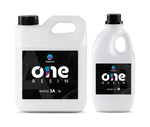


If this is your first resin pour, the goal is not to rush into complicated designs. The goal is to understand how epoxy resin behaves, measure accurately by weight, prepare a clean workspace, and choose the right Magnifico Resins system for the project in front of you. This beginner guide explains how to work confidently with ONE Resin, when 12H Resin is a better fit, and how Indian resin artists can avoid the most common first-pour mistakes.
Resin art looks effortless when you see a glossy tray, pendant, coaster, or nameplate online. In real life, the finish depends on small technical decisions: the temperature of your room, the accuracy of your weighing scale, the way you scrape the cup, the thickness of the pour, and how long you leave the piece undisturbed. A beginner who understands these basics will usually get cleaner results than someone who only follows a short reel.
This guide is written for Indian resin beginners, hobby artists, home-based makers, and small sellers preparing for Instagram orders, WhatsApp Business enquiries, exhibitions, local craft fairs, and festive gifting seasons. It focuses on practical studio habits rather than vague hacks. You will learn how to set up, mix, pour, cure, troubleshoot, and select between ONE Resin and 12H Resin without changing the fundamentals every time you start a new project.
Start With The Right Resin For Your First Project
Direct answer for beginners
ONE Resin is a strong beginner choice when you want more working time, a crystal clear finish, and flexibility across jewellery, coating, and casting projects up to 20 mm thickness. In every beginner workflow, use ONE Resin at a 3:1 resin to hardener ratio by weight, with a 120 minute pot life, 14-16 hour full cure time, and 8-10 hour overcoat window. Use 12H Resin when you want a thinner coating system, high gloss finish, 40 minute pot life, and pours up to 8 mm thickness.
Why product choice matters before mixing
Beginners often blame themselves when resin overheats, stays soft, develops uneven surfaces, or traps too many bubbles. Sometimes the technique is the issue, but sometimes the resin system does not match the project. A thin coating resin used too thickly can struggle. A slower system used for a quick small batch may feel unnecessarily relaxed. The best result comes from matching the resin to the job before you open the bottles.
For example, if you are making small pendants, keychains, bookmarks, coasters, or a nameplate layer, both ONE Resin and 12H Resin can be useful depending on thickness and timing. If you are coating a tray surface and want a high gloss finish with a thin layer, 12H Resin can be practical. If you are casting thicker decorative elements, need more time to place inclusions, or want a longer open working period during warm Indian afternoons, ONE Resin gives beginners more breathing room.
Beginner project examples in India
A Mumbai hobby artist working in a small apartment may prefer smaller batches because humidity and dust are harder to control during monsoon. A Jaipur jewellery maker preparing festive orders may value repeatable weighing and batch discipline. A Bengaluru crafter making office desk nameplates may need clean coating and clear overcoat timing. In each case, the product choice and process matter more than speed.
| Beginner Need | ONE Resin | 12H Resin |
|---|---|---|
| Mixing ratio | 3:1 resin to hardener by weight | 2:1 resin to hardener by weight |
| Pot life | 120 minutes | 40 minutes |
| Maximum pouring thickness | Up to 20 mm | Up to 8 mm |
| Full cure time | 14-16 hours | 12-14 hours |
| Best beginner use | First pours, casting up to 20 mm, jewellery, coatings, longer working time | Thin coatings, high gloss surfaces, jewellery, quicker workflow |
Set Up A Workspace That Helps The Resin Behave
Control temperature before you pour
Workspace control means setting up the room so resin can level, release bubbles, and cure without avoidable stress. For Indian homes and studios, aim for a cure temperature range of 18-32°C. Before using ONE Resin, remember that its 120 minute pot life is still affected by heat: a room at 35-40°C can make resin feel more reactive than a cool winter morning. With 12H Resin, the 40 minute pot life means you should prepare everything before mixing.
In peak summer, avoid mixing under direct sunlight, near a hot window, or beside running appliances that warm the room. In monsoon, avoid pouring near open windows where humidity, dust, and insects can settle on the surface. In winter, avoid working in a very cold room because resin can become thicker, slower to level, and more difficult to mix evenly.
Prepare a dust-free pouring zone
Clean your table, cover it with a level protective sheet, and keep the project raised slightly on small stands if you are coating an object. Use a spirit level or a simple leveling app before pouring. A table that looks flat can still create a thicker edge on one side of a tray or coaster. This matters when selling handmade pieces because customers notice uneven rims and tilted finishes quickly.
Keep tissues, gloves, mixing sticks, weighing scale, clean cups, toothpicks, a timer, a dust cover, and your mould or base ready before you mix. Resin is easiest when the preparation happens first and the creative part happens after. Once the resin and hardener are combined, your pot life has started.
Use safe batch sizes
For beginner projects, do not mix more than you can confidently pour and manage. A practical upper limit is 500 ml per batch. Smaller batches are easier to mix thoroughly, pour neatly, and control during Indian summer heat. If your project needs more resin, plan it as layers rather than one oversized batch.
Beginner Warning
Do not guess resin and hardener quantities. All Magnifico Resins mixing ratios in this guide are by weight. A kitchen cup, spoon, or visual estimate can create soft spots, tacky surfaces, overheating, and wasted material.
Measure And Mix By Weight Every Time
How to measure ONE Resin correctly
Measuring by weight is the foundation of reliable resin art. For ONE Resin, weigh 3 parts resin and 1 part hardener by weight. For example, for a 200 g total batch, use 150 g resin and 50 g hardener. For a 100 g total batch, use 75 g resin and 25 g hardener. If the project is a thin high gloss coating and you choose 12H Resin, weigh 2 parts resin and 1 part hardener by weight.
Use a digital weighing scale that reads at least to 1 g. Place the empty cup on the scale, press tare, add resin slowly, tare again if needed, then add hardener according to the ratio. Avoid pouring directly from a heavy bottle too fast because one extra splash can change a small batch significantly.
Mix slowly, scrape thoroughly
Mixing is not only about stirring until the liquid looks clear. Scrape the sides and bottom of the cup repeatedly because unmixed material often clings there. Stir slowly for several minutes, then transfer the mixture into a second clean cup and stir again. This double-cup method reduces the risk of sticky streaks caused by unmixed resin or hardener from the first cup wall.
Fast whipping creates unnecessary air. Gentle folding, scraping, and steady movement are better than aggressive stirring. If bubbles appear, let the cup sit briefly before pouring, especially with ONE Resin where the longer pot life gives beginners time to work calmly.
Plan material cost before a first batch
Cost discipline matters even for hobby artists because resin waste becomes expensive over repeated practice. For a small beginner coaster set, you might plan 120-180 g of mixed resin depending on mould size and depth. If your material cost estimate is ₹1.20-₹1.80 per gram, a 150 g batch may cost roughly ₹180-₹270 before mould wear, packaging, electricity, platform fees, and failed-piece allowance. Use this as a planning example rather than a fixed product price, because actual cost depends on pack size, project weight, and wastage.
For selling, add a small trial-loss allowance. Beginners often lose a few grams to cup residue, drips, and test pieces. Tracking every batch in a notebook helps you understand how much resin each design truly uses before you quote prices on Instagram or WhatsApp Business.
Pour, Cure, And Overcoat Without Rushing
Understand pot life and working time
Pot life is the usable working time after resin and hardener are mixed. ONE Resin has a 120 minute pot life, which is generous for beginners who need time to pour carefully, arrange details, and remove bubbles. 12H Resin has a 40 minute pot life, so it suits thinner, more prepared workflows where you do not want to spend too long adjusting the piece.
Pot life does not mean you should keep stirring for the full time or pour at the last minute. Resin gradually changes as it reacts. For the cleanest finish, mix, rest briefly if needed, pour, level, and cover the project while the resin is still flowing well.
Respect maximum pouring thickness
For ONE Resin, do not pour above 20 mm thickness in a single layer. For 12H Resin, do not pour above 8 mm thickness in a single layer. If your mould or design needs more height, build the piece in planned layers and wait for the appropriate overcoat time. ONE Resin can be overcoated after 8-10 hours. 12H Resin can be overcoated after 12 hours.
Over-thick pours can create excess heat, uneven cure, cloudy zones, shrinkage stress, or trapped bubbles. Beginners often think a deeper single pour saves time, but controlled layers usually protect the finish and reduce waste.
Let the project cure undisturbed
ONE Resin reaches full cure in 14-16 hours. 12H Resin reaches full cure in 12-14 hours. During this time, cover the project with a dust cover and keep it away from children, pets, open windows, fans, and direct sunlight. Do not demould early just because the surface looks firm. A piece can look set on top while still being flexible inside.
If you sell resin art, build curing time into your promised delivery date. A customer may ask for a quick Rakhi, Diwali, wedding, or corporate gifting order, but rushing demoulding can damage your finish and reputation. A premium handmade business depends on repeatable process, not emergency shortcuts.
Choose Projects That Build Skill Gradually
First-pour project ideas
Skill progression means choosing projects that teach one new thing at a time. Start with flat coasters, bookmarks, simple pendants, small trays, or keychains before attempting large tabletops. ONE Resin is helpful when you want more time to learn flow and bubble release. 12H Resin is useful when your project is thin, prepared, and focused on a high gloss coating.
For Indian beginners, small products are also easier to price, package, and ship. A coaster set can be tested with friends and family. Keychains and bookmarks can be sold at college stalls or craft markets. Small trays can be offered through Instagram stories or WhatsApp catalogues. Each product teaches measuring, surface preparation, curing, and finishing without risking a large amount of material.
Simple beginner workflow
- Choose a mould or base and calculate approximate resin quantity.
- Clean the workspace and check that the table is level.
- Keep all tools ready before mixing.
- Wear gloves and work in a ventilated area.
- Weigh resin and hardener by weight using the correct ratio.
- Mix slowly, scrape the cup, then transfer and mix again.
- Pour within the comfortable working period, not at the end of pot life.
- Remove surface bubbles gently and cover the project.
- Wait for full cure before demoulding, sanding, packing, or selling.
Common first-pour mistakes to avoid
The most common beginner mistakes are guessing ratios, mixing too fast, pouring too thick, working in a dusty room, demoulding early, and promising delivery before the piece has cured properly. Another mistake is changing too many variables at once. If a project fails, you will not know whether the issue was ratio, temperature, mould depth, mixing, or curing time.
Beginner Success Tip
Keep a simple resin log for every project: date, room temperature, product used, batch weight, ratio, mould depth, pour time, overcoat time, and final result. After five projects, your own notes become more useful than random online advice.
FAQ: Working With ONE Resin As A Beginner
Is ONE Resin good for beginners?
Yes. ONE Resin is beginner-friendly because it offers a 120 minute pot life, high clarity, self-leveling performance, bubble release, and a crystal clear finish. Beginners still need to measure by weight and follow the 3:1 resin to hardener ratio.
What is the mixing ratio for ONE Resin?
ONE Resin must be mixed at 3:1 resin to hardener by weight. Do not measure by volume. Use a digital weighing scale for every batch, even for small jewellery or coaster projects.
How thick can I pour ONE Resin?
ONE Resin can be poured up to 20 mm thickness in a single layer. If your design needs more thickness, use planned layers and respect the 8-10 hour overcoat time.
How long does ONE Resin take to cure?
ONE Resin reaches full cure in 14-16 hours under suitable working conditions. Avoid moving, packing, sanding, or selling the piece before it has cured properly.
When should I choose 12H Resin instead?
Choose 12H Resin when you want a thin coating system, high gloss finish, 2:1 resin to hardener ratio by weight, 40 minute pot life, and pours up to 8 mm thickness. It is useful for prepared workflows where you do not need a long open working time.
Can I mix a large batch for multiple pieces?
Keep beginner batches manageable and do not exceed 500 ml as a safe batch size. Smaller batches reduce heat build-up, waste, and stress, especially during Indian summer conditions.
Why did my resin stay sticky?
Sticky resin usually comes from inaccurate weighing, incomplete mixing, scraping unmixed material into the mould, cold conditions, or contamination on the surface. Start by checking the ratio, mixing method, and room conditions.
Can I sell my first resin pieces?
Sell only pieces that are fully cured, neatly finished, and tested for consistency. For pricing, include resin cost, findings or bases, packaging, labour, platform fees, wastage, and a realistic profit margin in INR.
Conclusion: Build Confidence One Accurate Pour At A Time
A practical next step
Good resin art begins with disciplined basics: weigh by weight, mix patiently, pour within the correct thickness, respect pot life, and allow full cure. If you are learning from home in India, do not measure your progress by how complicated your first design looks. Measure it by how cleanly you can repeat a simple project.
For beginner-friendly resin art, jewellery, coating, and casting projects up to 20 mm, Magnifico Resins ONE Resin gives you longer working time and a crystal clear finish. For thin coating projects up to 8 mm where a high gloss finish and faster working rhythm suit your process, 12H Resin is a strong option. Choose the product that matches the project, then let accurate technique do the rest.


