


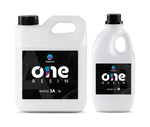


Slow-curing resin is not simply resin that “takes longer.” It is a resin workflow with more working time, calmer heat build-up, and better control for selected projects. This guide from Magnifico Resins explains pot life, cure time, working time, overcoat timing, and when Indian resin artists should choose a slower system like ONE Resin or a faster thin-coat system like 12H Resin.
Many beginners confuse pot life with full cure time. Pot life is the usable time after resin and hardener are mixed. Full cure time is when the piece has reached its intended cured state under suitable conditions. A resin can give you a long pot life but still cure within the next day. Understanding this difference helps you plan jewellery, trays, coasters, nameplates, cast objects, and customer delivery dates.
In the current Magnifico Resins active product range, ONE Resin is the slower working option with a 120 minute pot life, 3:1 resin to hardener ratio by weight, maximum pouring thickness up to 20 mm, full cure time of 14-16 hours, and overcoat time of 8-10 hours. 12H Resin is a faster thin coating option with a 40 minute pot life, 2:1 resin to hardener ratio by weight, maximum pouring thickness up to 8 mm, full cure time of 12-14 hours, and overcoat time of 12 hours.
What Slow-Curing Resin Means
Direct answer
Slow-curing resin usually refers to a resin system or workflow that gives more open working time and a calmer curing reaction compared with very fast systems. For Magnifico Resins users, ONE Resin is the relevant slower working choice because its pot life is 120 minutes. 12H Resin has a shorter 40 minute pot life and is better suited to prepared thin-coat workflows.
Pot life versus cure time
Pot life starts when resin and hardener are mixed. During this period, the resin remains workable enough to pour, spread, arrange details, and release bubbles. Cure time is different. Cure time is the period needed for the resin to harden properly. ONE Resin has a longer pot life but still reaches full cure in 14-16 hours. 12H Resin has a shorter pot life and reaches full cure in 12-14 hours.
Why the distinction matters
If you think pot life and cure time are the same, you may rush the pour or demould too early. A long pot life gives you design time; it does not mean the piece should stay soft for days. A full cure window tells you when the project can be safely handled, finished, packed, or sold.
How beginners should read technical timing
Read timing in stages. First, note the pot life so you know how long you can comfortably work. Second, note the maximum pouring thickness so you do not overload the system. Third, note the overcoat time if the project needs layers. Fourth, note the full cure time before demoulding, sanding, packing, or handing the piece to a customer. This staged reading prevents the common mistake of treating one timing number as the whole process.
| Technical Factor | ONE Resin | 12H Resin |
|---|---|---|
| Ratio | 3:1 resin to hardener by weight | 2:1 resin to hardener by weight |
| Pot life | 120 minutes | 40 minutes |
| Maximum pouring thickness | Up to 20 mm | Up to 8 mm |
| Full cure time | 14-16 hours | 12-14 hours |
| Overcoat time | 8-10 hours | 12 hours |
| Finish | Crystal clear finish | High gloss finish |
When A Slower Working Resin Helps
Detailed layouts and inclusions
Working time is valuable when your design needs calm placement. ONE Resin gives 120 minutes pot life, which helps when making nameplates, jewellery, decorative cast pieces, small trays, or designs where you need time to place dried flowers, shells, foil flakes, photos, or lettering. 12H Resin can still work for prepared thin designs, but its 40 minute pot life requires a faster rhythm.
Warm Indian studios
In cities such as Delhi, Ahmedabad, Jaipur, Chennai, Hyderabad, and Nagpur, summer temperatures can reach 35-40°C. Heat can make resin feel faster and less forgiving. A longer pot life gives beginners and home-based creators more control, especially when air conditioning is not available throughout the curing period.
Monsoon humidity and surface control
During monsoon, the issue is not only time but also moisture. Keep moulds, bases, inclusions, packaging, and worktables dry. Avoid pouring beside open windows or under a fan that moves dust across the surface. A slower working system still needs a clean, dry environment. If moisture enters the project, the surface can look cloudy even when the ratio and pot life were correct.
Layered projects
Slow working time helps when you are building a layered design and need a clean first layer. ONE Resin can be overcoated after 8-10 hours, so you can plan layered work without guessing. If using 12H Resin for thin layers, plan around its 12 hour overcoat time.
When A Faster Thin-Coat System Is Useful
Prepared coating work
Faster workflow is useful when the base is prepared and the design is simple. 12H Resin is a thin coating system with a 40 minute pot life, high gloss finish, self-leveling, bubble release, and full cure in 12-14 hours. ONE Resin remains useful when you need more time or thickness up to 20 mm.
Small product batches
If you are coating small trays, coasters, flat jewellery pieces, or ready bases, a shorter pot life can support a more efficient batch. The key is preparation. Keep the moulds or bases ready, calculate resin quantity, clean the table, check level, and start only when you can complete the pour without interruption.
Production planning
For a home business, faster is useful only if quality stays consistent. If a 40 minute pot life makes you rush, use a slower working system. If your process is organised, a thin-coat system can help you plan more predictable production days.
When faster is not better
Faster timing can look attractive when you have pending orders, but it is not always the better business decision. If the product needs careful placement, a thick layer, or multiple customer-approved details, the pressure of a shorter pot life can create more errors. A rushed batch may cost more than the time you hoped to save. Match speed to skill, not only to deadline.
How To Use Slow-Curing Resin Correctly
Measure by weight
Accurate measurement is non-negotiable. Measure ONE Resin at 3:1 resin to hardener by weight. Measure 12H Resin at 2:1 resin to hardener by weight. Use a digital weighing scale and never guess from the level in the cup.
Keep batch size controlled
Keep beginner batches below the maximum safe batch size of 500 ml. Larger batches can create more heat and are harder to mix thoroughly. If your project needs more resin, plan layers within the maximum pouring thickness: up to 20 mm for ONE Resin and up to 8 mm for 12H Resin.
Control cure conditions
Work within 18-32°C where possible. Keep the table level, cover the project from dust, and avoid direct sunlight during cure. In monsoon, protect moulds, wood, flowers, paper, and packaging from humidity. If pouring on wood such as teak, sheesham, mango, or acacia, keep wood moisture below 12% before resin pour.
Plan your pour sequence
Before mixing, write a short sequence: weigh, mix, rest briefly, pour, guide resin to the edges, release bubbles, cover, and record the time. This is especially useful for beginners because resin work can feel calm at first and then suddenly rushed. A written sequence helps you use the available pot life wisely instead of spending the first half looking for tools.
Timing Warning
Do not confuse long pot life with permission to demould early. ONE Resin still needs 14-16 hours for full cure, and 12H Resin still needs 12-14 hours for full cure under suitable conditions.
Costs, Waste, And Selling Timelines
Cost of rushing
Resin timing affects profit. ONE Resin gives a slower working window that can reduce mistakes on detailed work. 12H Resin supports faster thin-coat scheduling when your setup is ready. In both cases, rushing can waste resin, labour, packaging, and customer trust.
Example cost logic
If a personalised tray uses ₹450 of resin and materials, ₹100 of packaging, ₹250 of labour, and ₹50 of overhead, the working cost is ₹850 before profit. If you demould early and damage the surface, the remake doubles material cost and delays delivery. Waiting for full cure is not slow; it is financially sensible.
Customer delivery planning
For Instagram, WhatsApp Business, exhibitions, and festive orders, add a buffer day. Tell customers when the piece will be made, cured, finished, packed, and shipped. Clear timelines reduce pressure and make your brand feel more professional.
Small-batch practice example
If you are learning, make two small test pieces before accepting a custom order. Use one test to observe bubble release and one to test demould timing. If each test uses ₹80-₹120 worth of material, that cost is still cheaper than remaking a ₹1,500 custom tray because the first paid order was rushed. Practice pieces are part of business learning, not wasted effort.
How to explain timing to customers
Use simple language in your order messages: “Your piece is poured today, cures overnight, gets checked tomorrow, and ships after final packing.” This helps customers understand why handmade resin cannot always be dispatched instantly. Clear communication is especially useful for wedding favours, festive gifts, and personalised pieces where buyers may be coordinating many items at once. It also reduces repeated follow-up messages during the curing window and keeps your production day calmer.
For repeat orders, this timing note becomes part of your brand promise.
Simple Summary
Use slower working time when the design needs control. Use faster thin-coat timing when the setup is ready. In both cases, measure by weight, respect thickness limits, and wait for full cure.
FAQ: Slow-Curing Resin
What is slow-curing resin?
Slow-curing resin generally means a resin system or workflow with more working time and calmer handling. For Magnifico Resins users, ONE Resin is the slower working option with a 120 minute pot life.
Is pot life the same as cure time?
No. Pot life is usable working time after mixing. Cure time is the time needed for the piece to harden properly. ONE Resin has 120 minutes pot life and 14-16 hours full cure time.
When should I use ONE Resin?
Use ONE Resin when you want longer working time, crystal clear finish, jewellery or coating use, and casting up to 20 mm thickness.
When should I use 12H Resin?
Use 12H Resin for thin high gloss coating projects, jewellery, and pours up to 8 mm when a 40 minute pot life suits your workflow.
Can slow-curing resin reduce bubbles?
Longer working time can give bubbles more opportunity to rise, but bubble control still depends on slow mixing, sealed surfaces, correct thickness, and a clean workspace.
What temperature is best for curing?
A practical cure temperature range is 18-32°C. Very hot rooms can shorten comfortable working time, while cold rooms can slow leveling and cure.
Can I pour thicker if the resin cures slowly?
No. Always follow the maximum pouring thickness. ONE Resin can be poured up to 20 mm, and 12H Resin can be poured up to 8 mm.
How soon can I add another layer?
ONE Resin can be overcoated after 8-10 hours. 12H Resin can be overcoated after 12 hours. Plan layered projects around these windows.
Conclusion: Choose Timing That Supports The Project
Use time as a tool
Slow-curing resin is useful when time helps the design. Faster thin-coat systems are useful when preparation is complete and the project needs a high gloss surface. The best choice depends on thickness, finish, working time, cure schedule, and climate.
For Indian resin artists, Magnifico Resins ONE Resin offers a 120 minute pot life, crystal clear finish, and casting up to 20 mm, while 12H Resin offers a 40 minute pot life, high gloss finish, and pours up to 8 mm. Choose the timing that protects your result, then measure by weight and allow the full cure window.


