


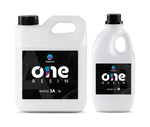


Epoxy flooring has rapidly become one of the most popular flooring solutions in India — widely used in factories, warehouses, hospitals, showrooms, parking areas, and even modern homes. Known for its high durability, seamless finish, chemical resistance, and premium look, epoxy flooring offers both functional and aesthetic advantages.
This guide explains epoxy flooring costs in India, its benefits, types, and a step-by-step installation process
What Is Epoxy Flooring?
Epoxy flooring is a protective coating system made by mixing epoxy resin with a hardener and applying it over concrete floors.
Once cured, it forms a hard, seamless, glossy surface that bonds strongly to concrete, making it resistant to wear, chemicals, stains, and moisture
Epoxy Flooring Cost in India (2025)
Epoxy flooring costs vary based on thickness, type, surface condition, and area size
Average Cost per Sq Ft in India
|
Type of Epoxy Flooring |
Cost (₹ / sq ft) |
|
Basic epoxy coating |
₹60 – ₹100 |
|
Self-leveling epoxy |
₹120 – ₹250 |
|
Epoxy mortar flooring |
₹180 – ₹350 |
|
Anti-static epoxy flooring |
₹200 – ₹400 |
|
Decorative metallic epoxy |
₹250 – ₹500 |
Prices may vary based on city, floor condition, and project size.
Key Benefits of Epoxy Flooring
-
High Durability - Withstands heavy foot traffic, machinery, and vehicle movement.
-
Seamless & Hygienic - No joints or grout lines → easy to clean and maintain.
-
Chemical & Stain Resistance - Ideal for factories, labs, hospitals, and garages.
-
Waterproof & Dust-Free - Prevents moisture penetration and concrete dusting.
-
Attractive Finish - In glossy, matte, metallic, and decorative designs.
-
Long Lifespan - Properly installed epoxy floors last 7–15 years.
Where Is Epoxy Flooring Used in India?
- Factories & warehouses
- Industrial plants
- Pharmaceutical units
- Hospitals & clinics
- Commercial kitchens
- Showrooms & malls
- Parking areas
- Garages
- Modern residential homes
Types of Epoxy Flooring Systems
1. Epoxy Coating (Thin Layer)
· Budget-friendly
· Light-duty use
· Residential garages, small rooms
2. Self-Leveling Epoxy Flooring
· Smooth, seamless finish
· Medium to heavy traffic
· Commercial & industrial spaces
3. Epoxy Mortar Flooring
· Extremely strong
· Heavy machinery areas
· Factories & warehouses
4. Anti-Static Epoxy Flooring
· Prevents static electricity
· Electronics & pharma units
5. Decorative / Metallic Epoxy Flooring
· Premium aesthetic look
· Homes, showrooms, cafes
Epoxy Flooring Installation Guide (Step-by-Step)
Step 1: Surface Preparation
· Clean the concrete thoroughly
· Remove oil, grease, dust, and loose particles
· Grind or shot-blast for proper adhesion
Step 2: Crack & Surface Repair
· Fill cracks, joints, and holes
· Level uneven areas
Step 3: Primer Application
· Apply epoxy primer
· Improves bonding between concrete and epoxy
Step 4: Epoxy Mixing
· Mix resin and hardener in exact ratio
· Use slow-speed mixer
· Avoid air entrapment
Step 5: Epoxy Application
· Pour and spread epoxy evenly
· Use rollers or trowels
· Apply multiple layers if required
Step 6: Curing
· Allow proper curing time (24–72 hours)
· Avoid traffic during curing
Curing Time & Usage
|
Activity |
Time Required |
|
Light foot traffic |
24 hours |
|
Heavy traffic |
48–72 hours |
|
Full chemical resistance |
5–7 days |
Common Mistakes to Avoid
❌ Poor surface preparation
✔ Always grind concrete properly
❌ Incorrect mixing ratio
✔ Follow manufacturer guidelines strictly
❌ Applying on damp concrete
✔ Ensure moisture-free surface
❌ Rushing curing time
✔ Allow full cure before usage
Maintenance Tips for Epoxy Flooring
- Clean regularly with mild detergent
- Avoid sharp metal dragging
- Clean chemical spills immediately
- Re-coat every few years if needed
Is Epoxy Flooring Good for Homes?
Yes — epoxy flooring is gaining popularity in modern Indian homes, especially for:
- Living rooms
- Kitchens (dry areas)
- Garages
- Balconies
- Home offices
Decorative and metallic epoxy floors offer a premium, contemporary look.