


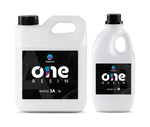


Resin artists often get confused between Ultra Clear Resin and Deep Pour Resin — both are clear, both are designed for casting, and both promise bubble-free results.
But they behave very differently, especially when you pour them in thick layers, embed objects, or work in humid Indian conditions.
This guide breaks down the key differences, ideal usage, and how to choose the right resin based on your project.
1. Pour Depth Capacity
Ultra Clear Resin:
- Ideal for shallow to medium-depth moulds (5–20 mm)
- Suitable for jewellery, alphabets, pendants, and small 3D casts
- Designed for clarity and precision in smaller volumes
Deep Pour Resin
- Designed for very thick pours (20–100 mm or more)
- Perfect for river tables, blocks, large flowers, and tabletops
- Slow exotherm → prevents overheating in heavy pours
Winner: Deep Pour Resin (for thickness)
Winner: Ultra Clear Resin (for detailed small moulds)
2. Clarity & Bubble Release
Ultra Clear Resin:
- Extremely clear, glass-like finish
- Low viscosity allows bubbles to rise quickly
- Perfect for projects where visual clarity matters
Deep Pour Resin:
- Bubble release is slower due to higher volume
- Achieves great clarity over time
- Needs careful temperature control
If clarity is the priority → Ultra Clear Resin wins.
3. Curing Time & Pot Life
Ultra Clear Resin:
- Faster curing
- Shorter pot life
- Best for batch production of jewellery
Deep Pour Resin:
- Very long curing time (24–72 hours)
- Long pot life, perfect for large pours
- Slow cure prevents cracks and heat buildup
Choose Ultra Clear Resin for speed.
Choose Deep Pour Resin for depth.
4. Heat Build-Up (Exotherm Reaction)
Ultra Clear Resin:
- Can overheat if poured too thick
- Works best in thin layers
Deep Pour Resin:
- Engineered for large volumes
- Maintains stable temperature
- Reduces risk of cracks, shrinkage, and yellowing
Deep Pour Resin is safer for heavy pours.
5.Viscosity: Flow vs Hold
Ultra Clear Resin:
- Low viscosity
- Fills fine details easily
- Great for alphabets, fine patterns, and mould precision
Deep Pour Resin:
- Medium viscosity
- Flows slower but evenly
- Maintains shape in deep cavities
6.Performance in Indian Climate
Ultra Clear Resin:
- Cures well between 24–28°C
- Humidity can cause cloudiness if not controlled
Deep Pour Resin:
- More sensitive to heat
- Needs balanced room temperature
- Slow curing reduces climate problems
In hot or humid regions, Deep Pour Resin requires careful curing setup.
Which One Should You Choose?
Choose Ultra Clear Resin if:
- You make jewellery, alphabets, keychains, pendants, mini moulds
- You need super clarity
- You prefer faster curing
- Your pours are shallow (5–20 mm)
Choose Deep Pour Resin if:
- You make river tables, lamp blocks, large art pieces
- You pour thicker than 2 cm
- You want slow curing to avoid cracks
- You embed large flowers or objects