




In electronics manufacturing, reliability is everything. Moisture, heat, and vibration can cause short circuits or complete failure — which is why epoxy potting compounds are the unsung heroes behind every stable circuit.
From sensors to transformers, Magnifico Resins provides high-performance epoxy systems that meet Indian and international standards for insulation, strength, and thermal endurance.
What Is Epoxy Potting?
Epoxy potting is the process of encapsulating electronic components in a protective resin.
Once cured, it creates a solid, insulating, waterproof barrier that protects against:
· Humidity & moisture
· Dust, corrosion, and chemicals
· Mechanical vibration
· Electrical leakage or arcing
Epoxy is preferred over silicone or polyurethane due to its excellent dielectric strength, adhesion, and cost efficiency.
Epoxy Systems by Magnifico Resin
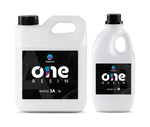
1. Magnifico One Resin
· Type: Medium-viscosity system (3:1)
· Ideal for: PCB coatings, small component potting, light encapsulation
· Properties: High adhesion, low shrinkage, UV-resistant, smooth finish
· Temperature Range: –10°C to 75°C
2. Magnifico 12H Ultra Clear Casting Resin
· Type: Low-viscosity deep-casting epoxy
· Ideal for: Transformer coils, motor windings, large electronics potting
· Properties: High dielectric strength, low exotherm, crystal clarity, low VOC
· Temperature Range: –20°C to 90°C
Typical Potting Process
1. Clean: Remove dust, grease, and moisture from components.
2. Preheat (if needed): Warm components to 40–50°C for better penetration.
3. Mix: Combine resin and hardener (3:1 by volume). Mix slowly to avoid air.
4. De-Gas: Vacuum degas mixture for 5–10 minutes
5. Pour: Fill cavity to cover components completely.
6. Cure: Allow 24–36 hrs at room temp or accelerate at 50°C for 3–4 hrs.
7. Inspect: Check for air gaps, discoloration, or tacky spots.